
AI governance doesn’t slow innovation. It makes it possible.
AI governance doesn’t slow innovation – it creates the guardrails that let organisations innovate faster, manage risk and keep humans accountable for the decisions that matter.
Read More
New research shows workers use AI but don’t trust it
We surveyed 289 Australian professionals about generative AI at work. Almost 90% use it at least monthly, but their average confidence in its accuracy is just 45%.
Read More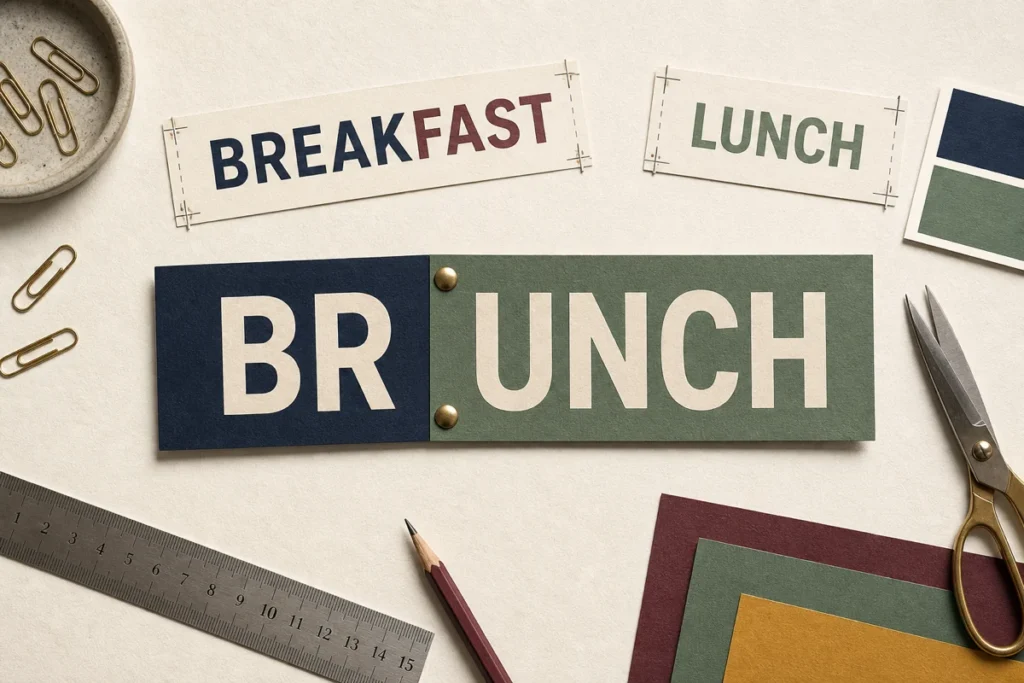
Frankenwords: we’re all mad scientists of language
Language isn’t frozen in a dictionary. When the words we have don’t quite capture a concept, we stitch them together – brunch, frenemy, hangry. Here is what makes a Frankenword work, and what happens when good words go bad.
Read More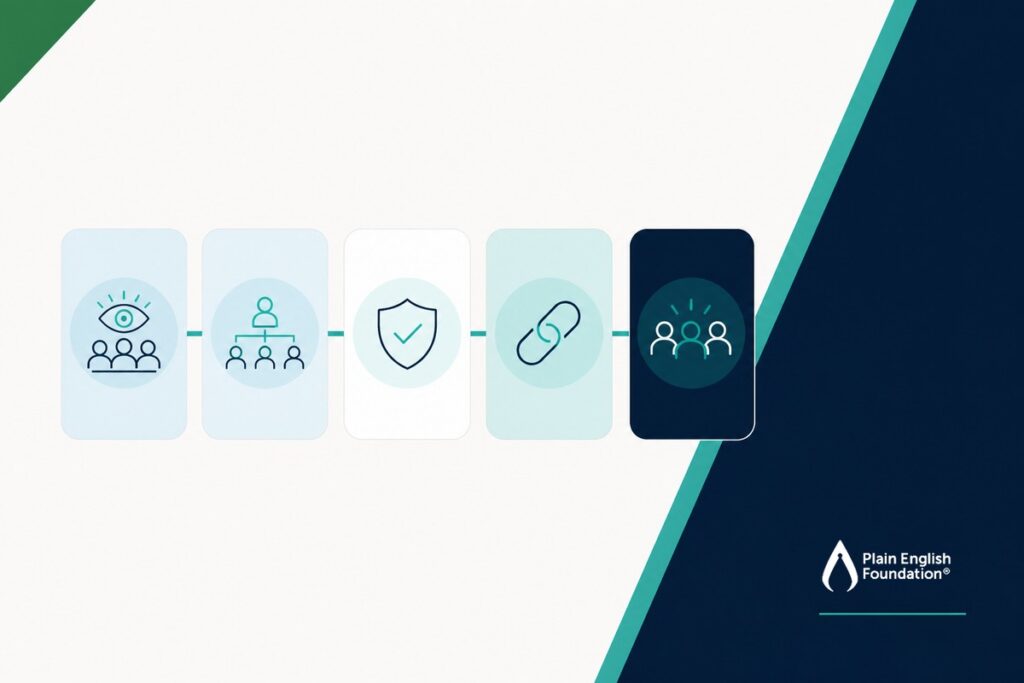
APRA’s AI guidance: what it means for financial services and how Plain English Foundation can help
APRA's recent AI guidance makes it clear: artificial intelligence is now a governance, risk and resilience issue, not just a technology one. Here are five actions financial services organisations should take and how Plain English Foundation can help turn APRA's expectations into practical, plain English action.
Read More
The one where you write better lists
We love lists – they’re an effective way to reduce cognitive load for your reader and get your message across quickly. You can even use them to break up long or complex sentences. Want our top tips for writing an effective list? Read on.
Read More
Your email is a thriller
Have you ever opened an email and not been sure what it was about? You may have just read a thriller. Jargon had you getting out your enigma machine, cliffhangers kept you on the edge of your seat, red herrings threw you off the scent, plot twists created a convoluted tale.
Read More
Pardon our French
English grew from 2 roots. Anglo-Saxon gave us everyday words like start, help and letter/email. After 1066, Latinate French added words like commencement, assistance, and correspondence. Now we use words from both roots.
Read More
Post-it notes and interns: the 2 sides of AI
Using AI is a lot like hiring an enthusiastic intern. They’re quick and helpful but also alarmingly confident in their own ability. And the thing about over-eager interns is that if you let them, they start making decisions you should be making yourself.
Read More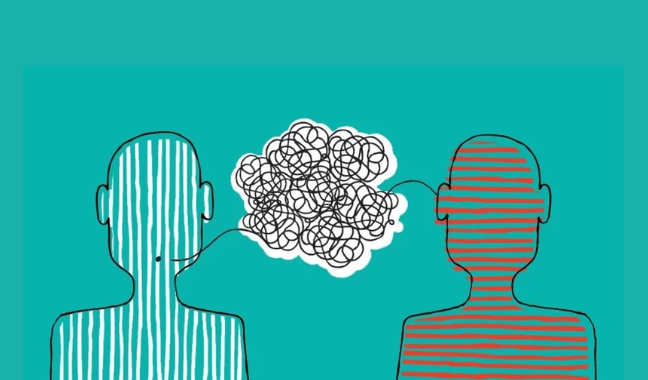
Why clear communication is good business
Clear communication may seem obvious for good business. But many organisations still bury key details under context, leave out helpful headings or hide behind the passive voice.
Read More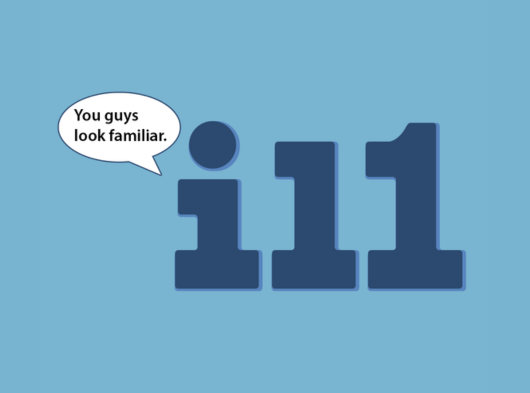
Choose a legible typeface
A legible typeface in your documents and on your website makes it easier for readers with low vision or dyslexia to read your writing. You can start with common, easy-to-read typefaces, such as Calibri, Verdana or Tahoma.
Read More